ASUS Vivobook: A Practical Everyday Laptop for Work, Study, and Home Use

The ASUS Vivobook is designed for people who need a reliable, modern, and easy-to-use laptop for everyday tasks. Whether you are studying, working from home, browsing the web, streaming content, managing documents, or joining online meetings, the Vivobook line offers a balanced mix of performance, portability, and useful features.

Available in different sizes and configurations, ASUS Vivobook laptops range from budget-friendly everyday models to more advanced OLED and performance-focused versions. This makes the Vivobook a flexible choice for students, professionals, home users, and casual creators who want a capable laptop without moving into the premium ultrabook category.

  • Good for everyday productivity
  • Available with OLED display options
  • Suitable for students and remote workers
  • Thin, portable, and practical design
  • Budget to mid-range laptop segment
  • Built for study, work, home use, and streaming
At a glance

Quick Verdict

The ASUS Vivobook is a strong choice if you want a dependable laptop for everyday use, especially when the exact configuration matches your workflow.

The ASUS Vivobook performs well for common tasks such as web browsing, writing, spreadsheets, video calls, streaming, online classes, and light creative work.

The best Vivobook experience usually comes from choosing a configuration with 16 GB of RAM, SSD storage, and a quality IPS or OLED display. Entry-level versions can still be useful, but they may come with compromises such as basic screens, less memory, or fewer premium features.

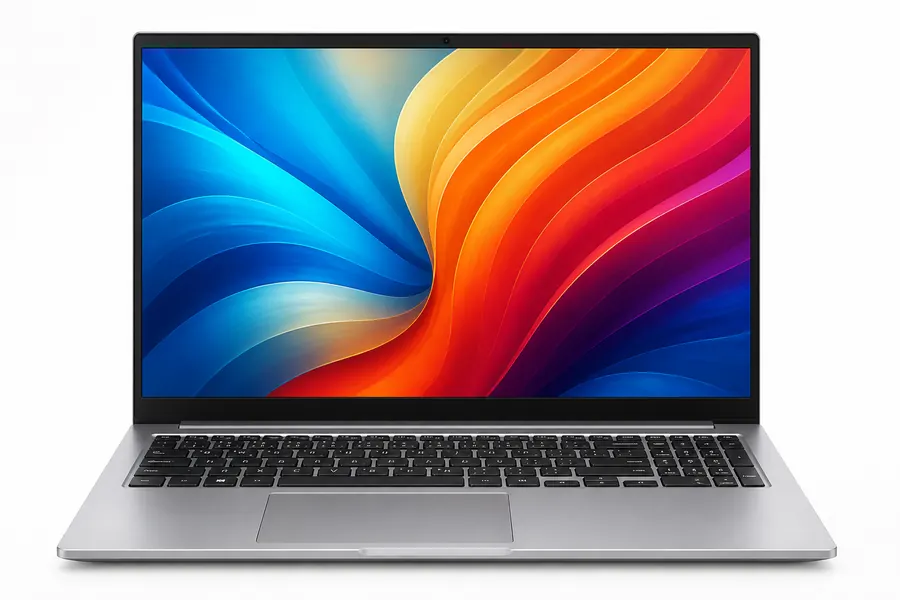
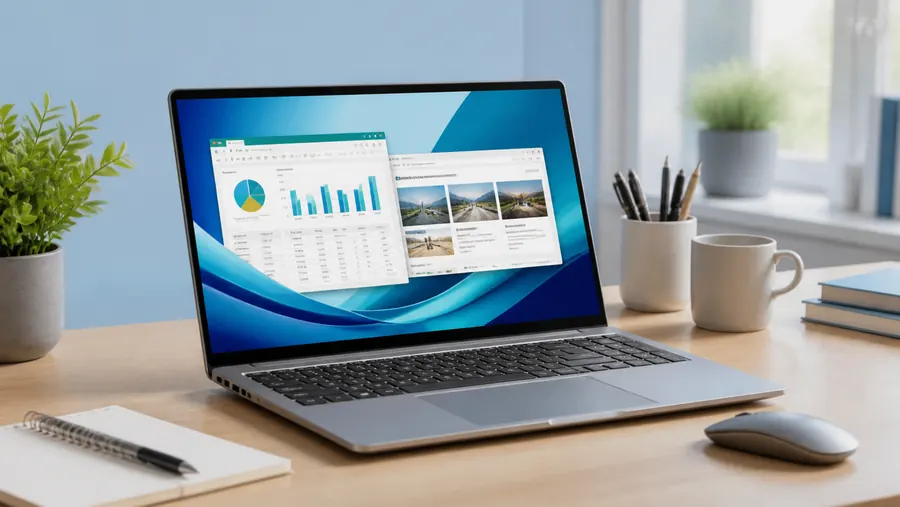
ASUS Vivobook laptop for everyday productivity
CategorySummary
Best forStudents, remote workers, home users, everyday productivity
DisplayStrong on OLED models; more basic on some entry-level versions
PerformanceGood for daily tasks and multitasking
PortabilityGenerally thin, light, and easy to carry
Battery lifeDepends on the exact model and configuration
SegmentBudget to mid-range, with some higher-end Vivobook models
Not ideal forHeavy gaming, demanding 4K video editing, premium workstation use
Audience fit

Who Is the ASUS Vivobook Best For?

The Vivobook family fits people who want a practical laptop for daily work without moving into a premium workstation or gaming category.

It is also attractive for budget-conscious buyers who want a modern laptop in the budget to mid-range segment without necessarily requiring the cost of a premium ultrabook.

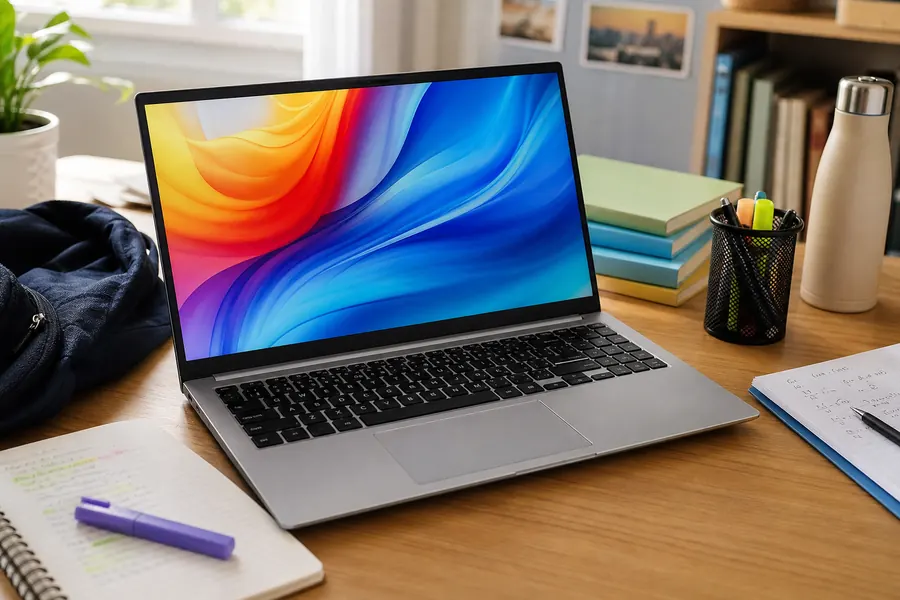
ASUS Vivobook laptop for students

Students

The ASUS Vivobook is practical for research, assignments, online classes, note-taking, presentations, and entertainment. Many models are portable enough to carry between classes, while larger 15-inch and 16-inch versions provide more screen space for studying and multitasking.

ASUS Vivobook laptop for remote work

Remote Workers

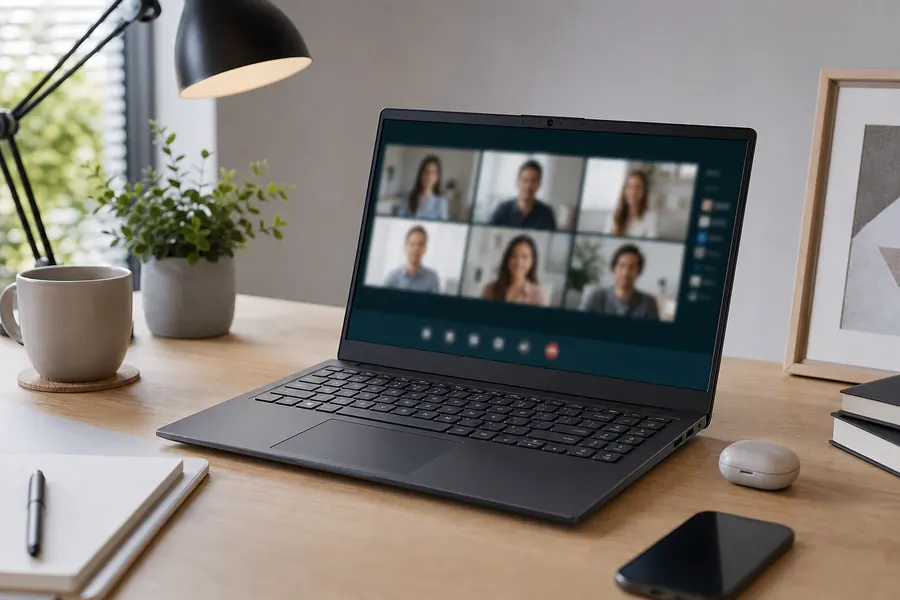
For remote work, the Vivobook handles email, browser-based apps, documents, spreadsheets, cloud storage, and video meetings. A model with 16 GB of RAM is especially useful if you keep many browser tabs and work apps open at the same time.

ASUS Vivobook laptop in a home office

Home Users

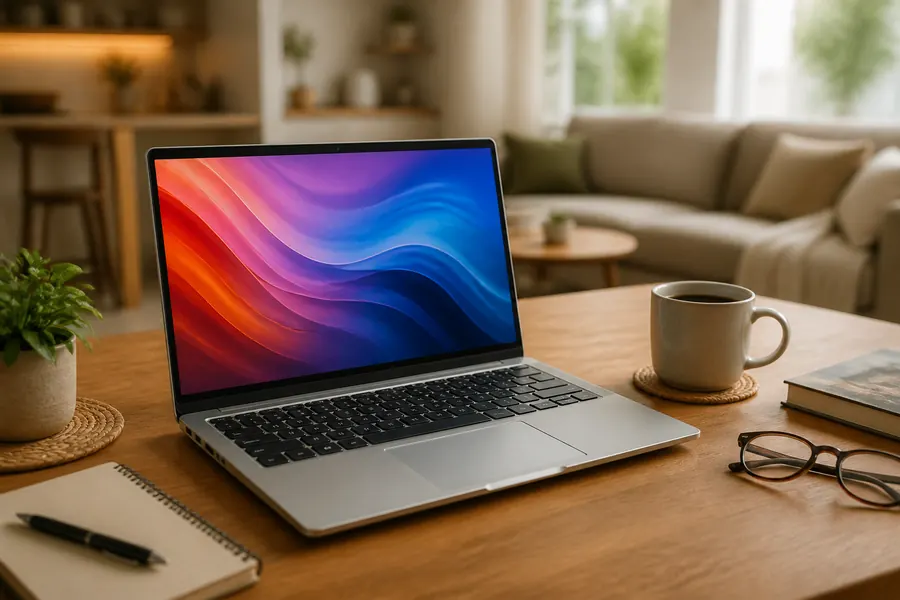
The Vivobook is also a good fit for browsing, online shopping, streaming, managing photos, writing documents, checking email, and staying connected with family or friends.

ASUS Vivobook laptop for casual creative work

Casual Creators

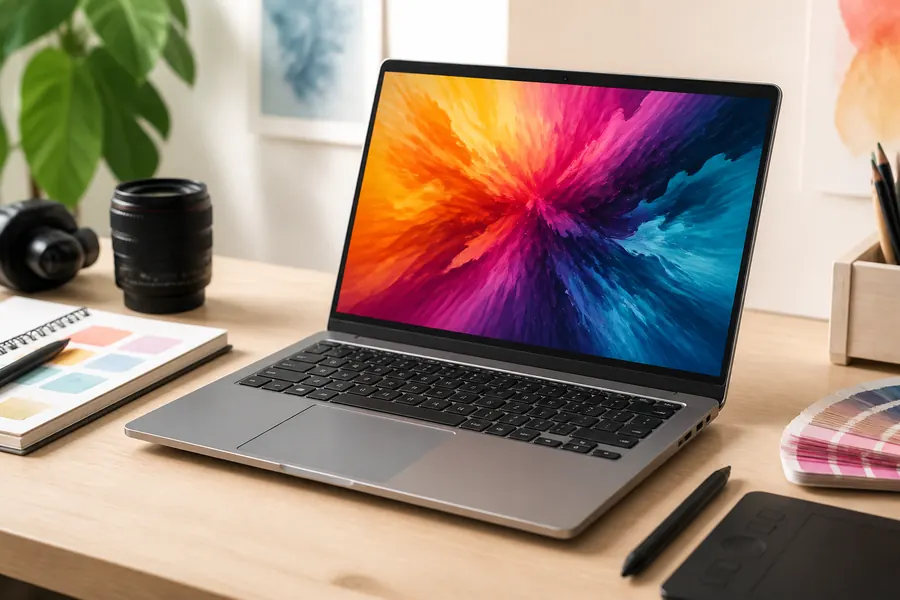
Some Vivobook configurations, especially OLED or higher-performance models, are suitable for light photo editing, simple design work, blogging, website management, and content creation. Heavier creative workloads may need Vivobook Pro or dedicated graphics.

Everyday strengths

Why Choose the ASUS Vivobook?

Vivobook stands out because it blends useful performance, display variety, portable designs, and practical features across a broad laptop family.

ASUS Vivobook multitasking setup

Balanced Everyday Performance

The ASUS Vivobook is built for daily computing. It can handle web browsing, office apps, online meetings, streaming, research, email, and multitasking without feeling excessive for normal use.

ASUS Vivobook model range

Wide Range of Configurations

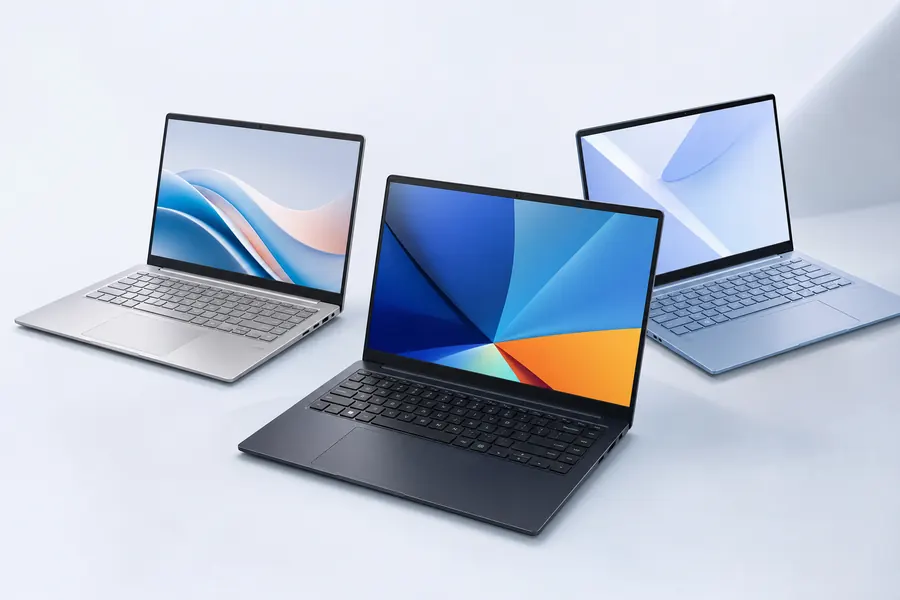
There are 14-inch, 15-inch, and 16-inch models, as well as OLED, Flip, S, Pro, and X versions. This makes it easier to match your screen size, performance, and portability needs.

ASUS Vivobook OLED display

OLED Display Options

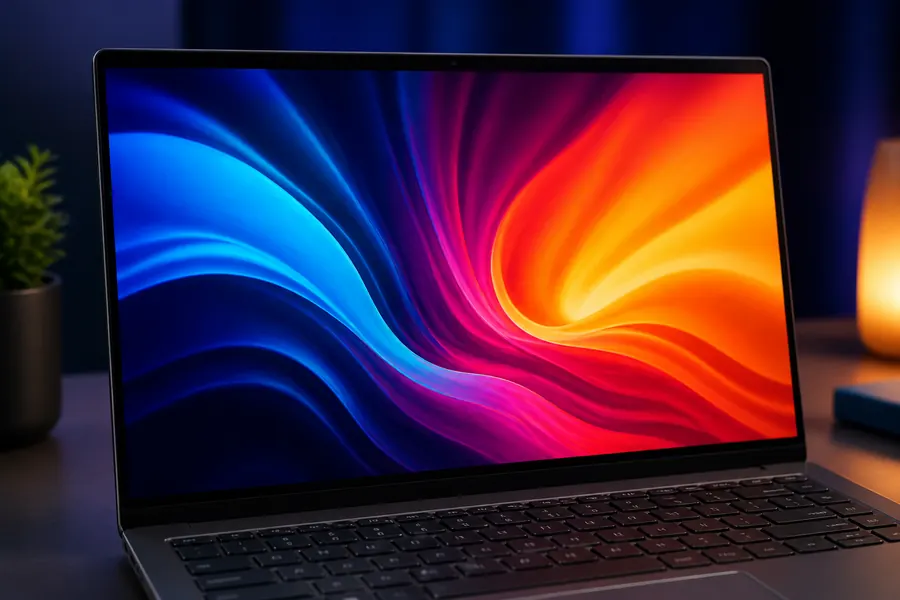
Selected models include OLED displays with vivid colors, deep contrast, and sharp visuals. These versions are especially appealing for streaming, design work, photo viewing, and a more premium screen experience.

ASUS Vivobook fast SSD laptop

SSD Storage

Most modern Vivobook models come with SSD storage, which helps the laptop boot quickly, open apps faster, and feel more responsive compared with older hard drive-based laptops.

ASUS Vivobook slim portable design

Portable Design

Vivobook laptops usually feature a clean, modern design with relatively slim profiles. Depending on screen size, they can be easy to carry for school, office work, travel, or daily use around the home.

ASUS Vivobook practical keyboard and ports

Good Practical Feature Set

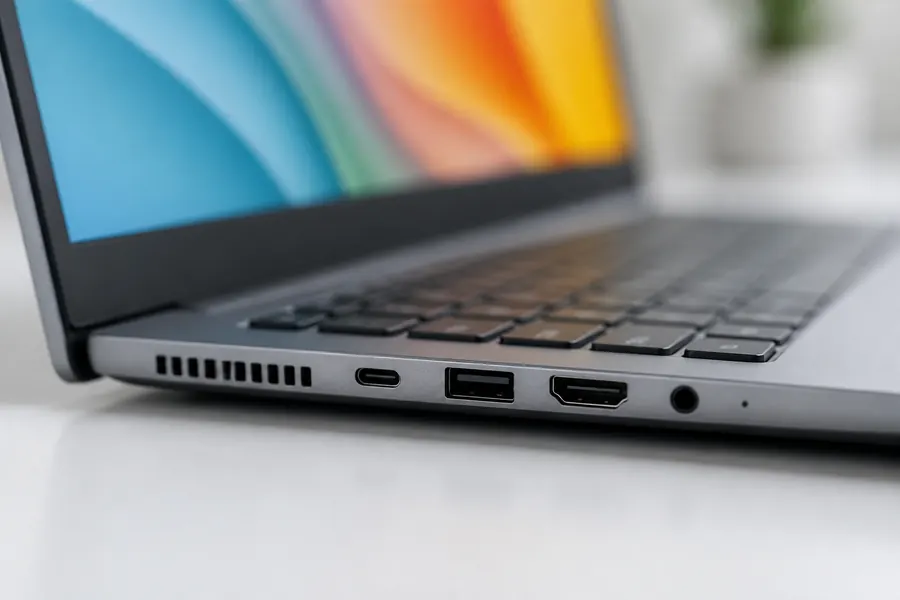
Depending on the model, Vivobook laptops may include a backlit keyboard, fingerprint reader, webcam privacy shutter, 180-degree hinge, touchscreen support, Wi-Fi 6, USB-C, HDMI, and fast-charging support.

Lineup guide

ASUS Vivobook Models and Configuration Differences

ASUS Vivobook is not one single laptop. It is a full product family with many different models and configurations, so two Vivobook laptops can look similar while offering very different performance, display quality, memory, battery life, and features.

Common Vivobook types include compact everyday models, OLED display versions, convertible Flip designs, higher-performance Pro configurations, and X series laptops focused on practical daily use.

Vivobook 14 Vivobook 15 Vivobook 16 Vivobook OLED Vivobook S Vivobook Flip Vivobook Pro Vivobook X series

Before choosing a Vivobook, check the exact model number and specifications. A basic 8 GB RAM model with a standard display will feel different from a 16 GB RAM OLED version with a newer processor.

Recommended ASUS Vivobook Configuration

For most users, the best balanced ASUS Vivobook configuration should include:

  • 16 GB RAM for smoother multitasking
  • 512 GB SSD or higher for storage and responsiveness
  • Intel Core i5/i7, Intel Core Ultra, AMD Ryzen 5, or AMD Ryzen 7 processor
  • OLED or good-quality IPS display
  • Wi-Fi 6 or newer
  • Backlit keyboard, if available
  • USB-C and HDMI ports, depending on your accessory needs

An 8 GB RAM version can work for basic use, but 16 GB is a better choice for long-term comfort, especially for multitasking, browser-heavy work, and productivity apps.

Depending on model

Technical Specifications

ASUS Vivobook specifications vary depending on the exact model and region. The table below shows common options found across the Vivobook lineup.

FeatureCommon ASUS Vivobook Options
Display size14", 15.6", 16", and selected larger models
Display typeFull HD, WUXGA, OLED, 2.8K OLED, 3.2K OLED, depending on model
ProcessorIntel Core, Intel Core Ultra, AMD Ryzen, Snapdragon on selected versions
GraphicsIntegrated Intel, Intel Arc, AMD Radeon, Qualcomm Adreno, or NVIDIA graphics on selected Pro models
RAM8 GB, 16 GB, or up to 32 GB on selected models
StoragePCIe SSD, commonly 512 GB or 1 TB
Operating systemWindows 11 Home or Windows 11 Pro, depending on configuration
ConnectivityWi-Fi 6, Wi-Fi 6E, Bluetooth, depending on model
PortsUSB-A, USB-C, HDMI, audio jack, charging port, depending on model
KeyboardStandard or backlit keyboard, depending on configuration
SecurityFingerprint reader or webcam privacy features on selected models
HingeStandard hinge or 180-degree hinge on selected models
TouchscreenAvailable on selected Flip or touch-enabled versions
Screen and chassis

Display and Design

The display is one of the most important reasons to consider an ASUS Vivobook, especially if you choose an OLED version. Standard non-OLED Vivobook models can still be good for everyday use, but display quality may vary.

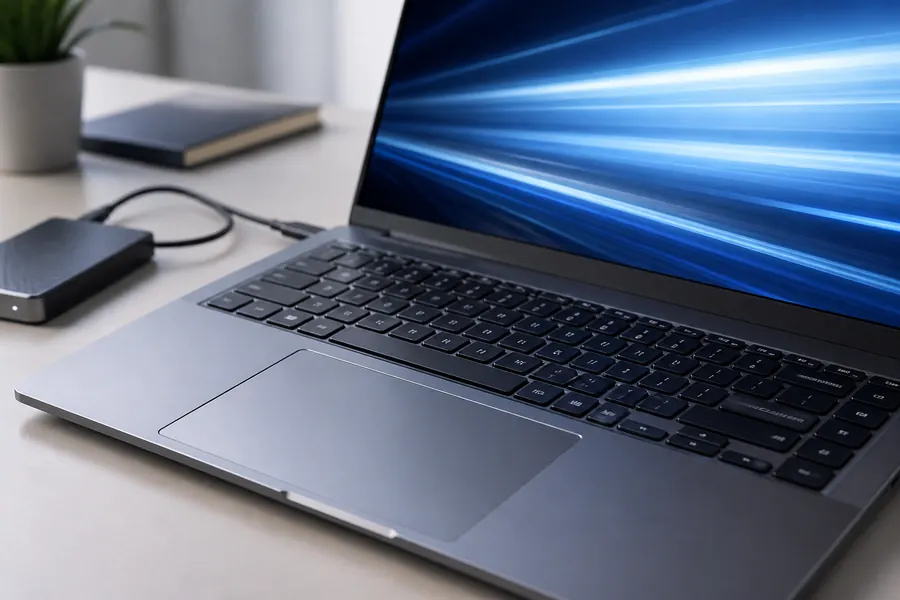
ASUS Vivobook OLED display close-up ASUS Vivobook slim chassis on a desk

Vivobook OLED models are known for rich colors, strong contrast, and deep blacks, making them enjoyable for watching movies, viewing photos, editing visuals, and working with colorful content. Some entry-level versions may have lower brightness, more basic color reproduction, or a simpler Full HD panel. If screen quality matters to you, it is worth choosing an OLED or higher-quality IPS configuration.

The design of the Vivobook is practical and modern. Many models feature slim bezels, a clean chassis, and a portable build. Larger 15-inch and 16-inch versions offer more screen space, while 14-inch models are easier to carry.

OLED Display Benefits

  • More vivid colors
  • Deeper blacks
  • Better contrast
  • Excellent for streaming and media
  • Good for photo viewing and light creative work

Standard Display Considerations

  • Usually more accessible within the lineup
  • Good enough for basic productivity
  • Quality varies by configuration
  • Brightness and color accuracy may be lower than OLED versions
Daily workload

Performance for Everyday Use

The ASUS Vivobook is best understood as an everyday productivity laptop. It is designed to handle the tasks most users perform every day without unnecessary complexity.

Web Browsing and Office Work

The Vivobook is well suited for browsing, writing documents, working in spreadsheets, managing email, and using cloud-based tools. A configuration with 16 GB RAM is recommended for users who often keep multiple browser tabs open.

Study and Online Classes

For students, the Vivobook works well for online learning platforms, video lectures, note-taking, research, presentations, and document editing. Larger screen models are useful for multitasking, while smaller models are better for portability.

Remote Work and Video Calls

The Vivobook can be a reliable remote work laptop for users who rely on email, chat apps, browser tools, office software, and video conferencing. Some models include useful features such as noise reduction, webcam privacy options, and improved connectivity.

Streaming and Entertainment

Vivobook laptops are good for streaming movies, browsing social media, and casual entertainment. OLED versions offer a noticeably better visual experience for media consumption.

Light Creative Work

Higher-end Vivobook models can handle light photo editing, simple graphic design, blogging, website updates, and content management. For more demanding creative work, a Vivobook Pro or a model with dedicated graphics is a better choice.

Gaming Limitations

Most ASUS Vivobook models are not gaming laptops. Integrated graphics can handle casual games and lighter titles, but users interested in modern AAA gaming should consider a dedicated gaming laptop or a Vivobook model with stronger graphics hardware.

Balanced view

Pros and Cons

The Vivobook line is strong for practical daily use, but the exact model matters because specifications and features vary widely.

Pros

  • Good value in the budget to mid-range segment
  • Strong everyday performance
  • OLED display options available
  • Suitable for students and remote workers
  • SSD storage for fast responsiveness
  • Modern and portable design
  • Wide range of sizes and configurations
  • Good choice for productivity and entertainment

Cons

  • Specifications vary significantly by model
  • Some entry-level versions have basic displays
  • Battery life depends heavily on configuration
  • Some models may not include a backlit keyboard
  • Not ideal for heavy gaming
  • Speakers may be average on some models
  • OLED models may not suit users sensitive to screen flicker
  • Build quality can vary between entry-level and higher-end models
Buying checklist

What to Check Before Buying an ASUS Vivobook

Because ASUS Vivobook laptops come in many versions, it is important to check the details before choosing a model.

Exact model number

Check the precise model number because display, memory, processor, keyboard, battery, and ports can change between similar-looking Vivobook laptops.

Memory and storage

Choose 16 GB RAM if possible and prefer 512 GB SSD or higher for a smoother everyday experience.

Display type

Check whether the display is OLED, IPS, or a basic panel, then look at brightness and resolution before buying.

Keyboard and ports

Confirm whether the keyboard is backlit and review the port selection, including USB-C, USB-A, HDMI, audio, and charging needs.

Battery and upgrades

Review battery expectations for the specific model and check whether the RAM is upgradeable or soldered.

Processor and security

Make sure the processor is suitable for your workload and confirm whether the laptop includes a fingerprint reader or privacy features if those matter to you.

Recommended Minimum Specifications

ComponentRecommended Minimum
RAM16 GB for best everyday experience
Storage512 GB SSD
ProcessorIntel Core i5, AMD Ryzen 5, or better
DisplayFull HD IPS or OLED
WirelessWi-Fi 6 or newer
Operating systemWindows 11
KeyboardBacklit keyboard preferred
PortsUSB-C, USB-A, HDMI, audio jack preferred

Basic Configuration vs Better Everyday Configuration

CategoryBasic ConfigurationBetter Everyday Configuration
RAM8 GB16 GB
Storage256 GB or 512 GB SSD512 GB or 1 TB SSD
ProcessorEntry-level Intel Core or RyzenIntel Core i5/i7, Intel Core Ultra, Ryzen 5/7
DisplayStandard Full HDOLED or high-quality IPS
Best forBasic browsing and documentsMultitasking, study, work, entertainment
Long-term usabilityAcceptable for light useBetter for most users
Visual tour

Product Gallery

A compact look at the design details buyers usually want to inspect when comparing Vivobook models.

User sentiment

User Reviews Summary

User feedback for the ASUS Vivobook is generally positive among people who use it for school, work, browsing, streaming, and everyday productivity. Reviews can vary depending on the exact model, especially between entry-level versions and OLED or higher-memory configurations.

What Users Like

  • Fast startup and responsive SSD performance
  • Good value for everyday tasks
  • Useful screen size options
  • Lightweight and practical design
  • Smooth performance for browsing, documents, and streaming
  • OLED display quality on selected models
  • Good fit for students and home office users

Common Complaints

  • Battery life can vary by model
  • Some versions do not include a backlit keyboard
  • Entry-level displays may feel basic
  • Speakers may be average
  • Some configurations are not ideal for heavy multitasking
  • Build quality may not feel as premium as more expensive ultrabooks
  • OLED versions may not be suitable for every user

Overall User Sentiment

Most users see the ASUS Vivobook as a practical and dependable everyday laptop. It is especially well received when buyers choose a configuration that matches their needs instead of selecting the lowest-end version.

Real-world impressions

Customer Reviews

Real-world users often choose the ASUS Vivobook because it feels practical, familiar, and easy to use for everyday tasks. These review-style testimonials highlight smooth productivity performance, good portability, useful display options, and configuration-dependent trade-offs.

Emily C. avatar
Emily C.College user

I bought the ASUS Vivobook mainly for college, and it has been exactly what I needed. It starts quickly, handles my browser tabs and documents well, and the screen size is comfortable for studying. I also like that it feels light enough to carry around campus without being annoying.

James M. avatar
James M.Remote worker

I use my Vivobook for remote work, email, spreadsheets, and video calls. The performance has been smooth for my daily workflow, especially with 16 GB of RAM. The keyboard is comfortable for long typing sessions, and the laptop feels like a good balance between portability and screen space.

Sarah T. avatar
Sarah T.OLED display buyer

The OLED display was the main reason I chose my ASUS Vivobook, and I'm glad I did. Colors look vivid, movies look great, and photos have much better contrast than on my old laptop. Battery life depends on what I'm doing, but for home and office use it has been a very solid machine.

Daniel B. avatar
Daniel B.Small business user

For everyday use, the Vivobook has been a reliable laptop. I mostly use it for browsing, streaming, documents, and managing my small business tasks. It is not a gaming laptop, but for productivity and general home use, it does the job very well.

Olivia B. avatar
Olivia B.Productivity buyer

I like that the ASUS Vivobook feels simple and practical. It does not feel overloaded with unnecessary features, but it still gives me fast SSD performance and a modern Windows experience. My only advice is to check the exact configuration before buying, because small details like keyboard backlighting and display type can vary.

Michael A. avatar
Michael A.Work and travel user

I chose the Vivobook because I wanted a laptop for work, travel, and everyday personal use. It is portable, starts fast, and has enough power for multitasking with office apps and browser tools. I would recommend choosing a model with 16 GB of RAM if you want it to stay smooth over time.

Comparison context

ASUS Vivobook vs Other Laptop Types

The Vivobook is best judged as a practical everyday laptop line, with strengths and trade-offs depending on what type of device you compare it with.

ComparisonASUS Vivobook AdvantagePotential Trade-Off
Versus premium ultrabooksMore practical for budget to mid-range buyersLess premium materials and speakers on some models
Versus gaming laptopsLighter, simpler, better for everyday useNot designed for heavy gaming
Versus basic budget laptopsBetter display and performance options availableHigher configurations depend on model selection
Versus creator laptopsMore accessible and portable for light creative useNot ideal for demanding professional workloads
Versus tabletsBetter keyboard, desktop apps, multitaskingLess compact than a tablet
Configuration picker

Best ASUS Vivobook Configuration by Use Case

Different Vivobook models make sense for different priorities, from portability to OLED display quality to heavier graphics needs.

Use CaseSuggested Vivobook Type
Best everyday choice15" or 16" Vivobook with 16 GB RAM and 512 GB SSD
Best display experienceVivobook OLED
Best portabilityVivobook 14 or Vivobook S
Best for studentsVivobook 14 or 15 with 16 GB RAM
Best for remote workVivobook 15 or 16 with good webcam, Wi-Fi 6, and 16 GB RAM
Best for light creative workVivobook OLED or Vivobook Pro
Best for heavier graphics tasksVivobook Pro with dedicated graphics
Best basic home laptopVivobook 15 with SSD storage
Common questions

FAQ

These answers cover the practical questions buyers most often have before choosing a Vivobook configuration.

Is the ASUS Vivobook good for students?

Yes, the ASUS Vivobook is a good laptop choice for students. It is suitable for writing papers, creating presentations, attending online classes, researching, browsing, and streaming. Students should ideally choose a model with 16 GB RAM and SSD storage for smoother performance over several years of use.

Is the ASUS Vivobook good for working from home?

The ASUS Vivobook can be a strong work-from-home laptop for users who rely on productivity tools, email, video calls, documents, spreadsheets, and browser-based apps. A 15-inch or 16-inch model is especially useful if you prefer more screen space for multitasking.

Is the ASUS Vivobook good for gaming?

Most ASUS Vivobook models are not built for serious gaming. They can handle casual games and lighter titles, but users who want strong gaming performance should look for a laptop with dedicated graphics or choose a gaming-focused model instead.

Is the ASUS Vivobook OLED worth it?

The ASUS Vivobook OLED models are worth considering if display quality matters to you. OLED screens offer richer colors, stronger contrast, and deeper blacks than many standard laptop displays. Users who are sensitive to screen flicker should check reviews of the exact OLED model before buying.

How much RAM should you choose?

For most people, 16 GB RAM is the best choice. It provides a smoother experience for multitasking, browser tabs, office apps, online meetings, and long-term use. An 8 GB RAM model can work for basic tasks, but it may feel more limited over time.

Is the ASUS Vivobook good for photo editing?

The ASUS Vivobook can be good for light photo editing, especially if you choose an OLED model or a version with a better display. For professional photo editing, high-resolution projects, or heavy creative workloads, a higher-end Vivobook Pro or a dedicated creator laptop may be a better choice.

Does the ASUS Vivobook have a backlit keyboard?

Some ASUS Vivobook models include a backlit keyboard, but not all of them do. This depends on the exact configuration and region. If keyboard backlighting is important to you, check the specifications carefully before choosing a model.

Is the ASUS Vivobook lightweight?

Many ASUS Vivobook models are designed to be portable and easy to carry. The 14-inch versions are usually better for portability, while 15-inch and 16-inch models offer more screen space but may be slightly larger and heavier.

What is the difference between ASUS Vivobook and Vivobook Pro?

The standard ASUS Vivobook line is focused on everyday productivity, study, home use, and general computing. The Vivobook Pro line is usually more performance-focused and may include stronger processors, better displays, and dedicated graphics for creative workloads.

Which ASUS Vivobook is best for everyday use?

For everyday use, a 15-inch or 16-inch ASUS Vivobook with 16 GB RAM, 512 GB SSD, and a modern Intel Core or AMD Ryzen processor is a strong choice. If display quality is important, an OLED version is worth considering.
Final verdict

ASUS Vivobook is a well-rounded laptop line for students, remote workers, home users, and everyday productivity.

The best choice is usually not the cheapest configuration, but a balanced version with enough memory, fast SSD storage, and a good display. A Vivobook with 16 GB RAM, 512 GB SSD or higher, and an OLED or quality IPS screen will provide a much better long-term experience than a very basic entry-level model.

If you need a laptop for studying, working, browsing, streaming, online meetings, and light creative work, the ASUS Vivobook is a smart and practical option to consider.

Affiliate Disclosure: This page may contain affiliate links. If you purchase through these links, we may earn a commission from qualifying purchases. This does not affect your purchase conditions or the information provided on this page.